Showing posts with label photography. Show all posts

Monday, 27 June 2011

Katherine Squier - Catching everyday life moments with camera


Hello! Finally, summer is arrived! J
The first summer interview is with the young photographer, Katherine Squier, born in Austin, Texas, in 1988.I like her photos, I think she is able to catch intimate life moment in a very spontaneous way. Enjoy the interview and good summer to all of you!

Thursday, 16 June 2011

Jan von Holleben - Dreams come true with Photography


Ok, well, I admit it, I have a great passion for photography!
So, here it is my new interview with Jan von Holleben!
I notice him at once, I find the idea behind Dreams of Flying series so simple, but effective!
Hope you like his works too!

Thursday, 9 June 2011

Zhang Xiao - A view of China from its coasts


Hi everyone!
Today photographer comes from China. With his series Coastline is on all the photography magazines!

His interview and his photographs offer us an inside perspective and a moment of reflection on China present changes.

Monday, 6 June 2011

Jan Postma - The perfect shot is hidden in common things


Hello! Hope everyone is fine ;)!
Today, we meet a talented photographer, who is particular good in catching everyday moments and situations through his camera and useing them to tell about beauty of what surronds us.

Monday, 30 May 2011

Ione Rucquoi - Art to get emotional response


Hi, everyone!
Today artist is Ione Rucquoi. I think you have heard about him, since he has been recently quoted in some photograph and art magazine!
So, here it is the interview for "Who Speaks for Art?" :-)

Friday, 15 October 2010

reGeneration2 - tomorrow’s photographers today


Hi Everyone! Today I find this exhibition that seems to me very interesting! Hope someone can be in Milan to see it!

Ciao a tutti! Oggi ho trovato questa mostra che mi sembra molto interessante! Spero che qualcuno possa essere a Milano per vederla!


reGeneration2
tomorrow’s photographers today

Exhibition presented by Musée de L’Elysée, Lausanne

opening Saturday 6th November 2010
from 3 pm to 8 pm
cocktail from 5 pm
William A. Ewing e Nathalie Herschdorfer will attend the opening
on show from 7th November to 9th January 2011
Tuesday, Friday, Saturday, Sunday, 10.30 am – 7.30 pm
Wednesday, Thursday 10.30 am – 9.00 pm
Monday, 3.30 pm – 7.30 pm


What are young photographers up to in the twenty-first century? How do they see the world? How much do they respect, build on, or reject tradition? As the digital revolution continues its relentless advance, demolishing longstanding practices in every domain of our field, curiosity builds as to how the new generation of photographers will operate. The reGeneration project – the broadest and most enterprising survey of its kind – set out in 2005 to discover answers to these intriguing questions, while revealing emerging photography in wide-ranging fashion. Following on from the success of this exhibition shown in ten different cities across North America, Europe and Asia, this second edition turns the spotlight on 80 up-and-coming talents from 30 countries.The Musée de l’Elysée selected the most promising candidates from some 700 entries submitted by 120 of the world’s top photography schools. The curators tried to keep an open mind throughout the selec- tion process, whether the photographers had chosen a documentary or an artistic approach, whether they worked with film or computer, and whether they supported their work with a detailed concept or preferred shooting spontaneously. reGeneration2 showcases the inspiring creativity and ingenuity of photographers at the outset of their careers, as they navigate in the fast-moving currents of the second decade of the 21st century. It shows these young practioners focusing on major themes as diverse as the urban environment, globalization, issues of identity and memory, their use of hybrid techniques allowing them to obscure as never before the distinction between reality and fiction.

Quale sarà il futuro della fotografia? Quali tendenze saranno vincenti e le nuove generazioni che idee proporranno? Rivoluzione o restaurazione? Il progetto reGeneration2 nasce nel 2005 per cercare di dare una risposta a queste domande e per dare spazio ai fotografi emergenti e al loro talento. Dopo il successo internazionale della prima edizione, reGeneration2 si concentra su 80 artisti di 30 nazionalità diverse selezionati dal Musée de L’Elysée di Losanna tra 700 fotografi provenienti dalle scuole di fotografia più prestigiose del mondo. Non vi è discriminazione di generi, di attitudini, di scelte, di tecniche e processo, piuttosto il complesso delle opere rappresenta una significativa panoramica del fare fotografia oggi per il domani. Ogni autore si distingue per l’originalità della propria analisi e per la capacità di risolverla visualmente. reGeneration2 vuole mostrare la creatività e l’ispirazione di questi giovani fotografi all’inizio della loro carriera focalizzando l’attenzione da un lato sulle tecniche utilizzate e dall’altro sui temi trattati: l’ambiente urbano e naturale, la globalizzazione, l’analisi sull’identità, i rapporti generazionali..
Dalla mostra emerge come i giovani vivono la realtà: le angosce, le paure, i rifiuti e le follie, i rituali, le amicizie e la famiglia. Ed è straordinario che giovani di culture e nazionalità così diverse fra loro vivano e osservino il mondo con cuore e occhi simili, sia pure nelle scelte dei soggetti, nelle differenze della raffigurazione e delle elezioni stilistiche.

For further information see also http://www.galleriacarlasozzani.org/#/home/


Friday, 17 September 2010

Thomas Mangold - Art between contradiction and bizarre animals


- Can you tell us something about yourself? When did you discover your passion for art?
Apart from the usual school education I studied visual communication at the University of Applied Sciences in Dortmund achieving a diploma as a photo designer. The wish to study photo design arose in the late 80th. With about 16 years I started to photograph everything with my first Nikon SLR. Initially the movie "Under fire" with Nick Nolte started my fascination for being a photographer and I guess the idea of becoming a war photographer was kind of interesting. So, after I felt comfortable with my camera and composing images in the view finder I concentrated on street photography, for sure influenced by the Magnum book "Zeitblende" (In our time). After my school and civil service time I started to study in Dortmund. While the fascination for street and documentary photography remained in the first years, I soon realized that there are other fields in photography which are also interesting and fascinating. Influenced by one of my professors I started to work more and more conceptual. A series of images replaced THE image, photographs started to interact with themselves. Towards the end of my studies my relationship to photography has changed considerably. Especially my diploma which I shot in the film sets of Germany TV soap operas, the zoo series and former series manifested my interest in the imaginary. From being a photographer who tried to capture the real I evolved to creating the fictitious.Looking back to when my fascination for the visual arts started, I stumble across all the fabulous children's books my parents presented my with. I especially liked one where a boy spends his vacations with his grandfather in the woods, as the boy is in the possession of a magnifying glass which permits him to discover what formerly has been invisible to the eye like ants etc. The step from the magnifying glass to the camera lens seems to be a logical consequence.

- How do you create your works?
That really depends. In the late 90th I started again to experiment with 3D computer graphics after initial contact in the 80th. During my studies I learned more and more about cgi and solved some of the photographic tasks by using computer graphics instead of shooting something with a camera. For my private and professional work I like to use both sides. Real photography and computer graphics. One should always use the best from each world and usually the images combining these elements in the most exquisite way are the most stunning ones. While computers and software get more powerful each year, the ability to create photo-realistic imagery is getting easier. Luckily the ability to create good images is attached to individuals and their senses. So technology isn't everything. In case of the cg animals, as soon as the decision has been made to create them via the computer, the research starts. Although the time is very limited to get familiar with your subject, it is probably the most interesting one in a project as you are usually confronted with something unknown. Getting the insight into something you only know by its surface is a little miracle by itself, similar to the making of a movie or a backstage pass. Realizing how an organism "works" is just beautiful. Afterwards the hard and tedious work of rebuilding something created by nature over thousands of years begin. Especially fur and feathers have the ability to make your day. Luckily in the last years there have been great enhancements supporting the creative to recreate these surfaces.

- What are your main sources of inspirations?
I guess everything. Years ago while still growing up Monty Python totally spoiled my sense of humour. Also I can't blame Palin, Cleese and the rest of the bunch for everything, I guess since then I see the world, my environment and other people through pythonesque spectacles. In some way I try to see the weird, humorous and bizarre behind the surface. Sometimes this will indeed end in something funny like the octopus in the bath tub, the fat horse and fat giraffe or the Mückofant. On the other hand there are images like the ones from zoological gardens which are far more subtle. While still being strange environments, like a Terry Gilliam movie, there is also the reference to the society who builds these environments in resemblance to nature or the idealised conception of nature. So, in the end I need to stay open minded, as there is not a certain daytime or activity which is connected to the birth of ideas. A colour, a word, a face, a movie. Anything can trigger something in your brain which results in a picture that needs to be created.

- What is your definition of art?
I never tried to come up with a description of what is art. The strange thing in the English language is the way the word art is used. Everybody who is involved with computer graphics calls him-/herself cgi artist. While people do so, there are only a few who's work I would call artistic or artful. In German the word "Künstler" (artist) describes a far more isolated/exqusite kind of person/profession. So in English the usage of the word artist and art is highly inflationary, making the introduction of the word "fine art" necessary. Finding a definition of what is art is probably as impossible as coming up with a guide to identify a great photo. Being a photographer for about 25 years I "earned" the ability to tell what is and what isn't. As there will be always others who will contradict my judgement regarding a certain image, the process to distinguish between art, simple images and crap is a highly personal one. Sometimes personal interests will lead persons to call certain things a piece of art, as it is in their benefit to do so. Other times somebody will give you a well prepared explanation why something is art, making it hard or tedious to convince the person of the opposite. So in the end the state of an object or event whether it is art or not depends on the arrogance of an individual to say so and others to agree for what ever reason this might be. Probably this is the very essence of art, that it withdraws itself from an unanimous appraisal, judgement and classification and arouses contradiction.

- Ci puoi raccontare qualcosa su di te? Quando hai scoperto la tua passione per l’arte?
A parte la solita educazione scolastica, ho studiato comunicazione visiva all’università di scienze applicate in Dormund, ottenendo il diploma in photo designer. Il desiderio di studiare photo design è nato alla fine degli anni ottanta. Quando avevo circa sedici anno ho iniziato a fotografare tutto con una Nikon SLR. Inizialmente il film “Under fire” con Nick Nolte ha fatto nascere il fascino per la fotografia. Dopo che ho preso manualità con la macchina fotografica e a comporre immagini, mi sono concentrato sulla fotografia per strada, sicuramente influenzato dal libro pubblicato da Magnum "Zeitblende" (Nel nostro tempo). Dopo la scuola e il servizio civile ho iniziato a studiare alla Dortmund. All’inizio continuavo a essere affascinato dalla fotografia documentaristica, successivamente però ho scoperto che non era l’unico ambito della fotografia ad interessarmi. Seguendo uno dei miei professori ho iniziato a fare lavori più concettuali. Alla fine degli studi il mio rapporto con la fotografia è cambiato considerevolmente. Ho iniziato a fare il fotografo per i set cinematografici e la tv. Così da fotografo del reale ho iniziato a creare la finzione. Ripensando a quadno è iniziata la ma passione per l’arte visuale mi sono ricordato del libro che i miei mi avevano preso quando ero bambino. Una delle storie raccontava di un ragazzo che passava le vacanze a camminare per il bosco con il nonno, con una lente magica che gli permetteva di vedere le cose invisibili. Dalla lente alla macchina foto il passaggio sembra ovvio.

- Come crei i tuoi lavori?
Questo dipende. Alla fine degli anni 90 ho iniziato a sperimentare con la grafica 3D dei computer dopo averli conosciuti negli anni 80. Durante gli studi ho imparato a usare la manipolazione digitale. Per i miei lavori mi piace usare sia la fotografia “reale” che la grafica digitale. Uno dovrebbe sempre usare il meglio da entrambi, le immagini che combinano gli elementi di queste tecniche sono favolose. I pc e i software diventano ogni anno più potenti e il modo di creare immagini foto-realistiche si fa via via più facile. Per fortuna l’abilità a creare immagini di qualità è prerogativa degli individui e delle loro capacità. La tecnologia non è tutto. Nel caso della creazione di animali, appena la decisione di crearli tramite pc viene presa, inizia la ricerca. Nonostante il tempo per prendere confidenza con il soggetto sia molto limitato, è probabilmente la parte più interessante perchè bisogna confrontarsi con qualcosa di sconosciuto. Si tratta di entrare dentro a qualcosa che si conosce solo superficialmente, è simile a girare un film. Realizzare come un organismo lavora è semplicemente stupendo. Dopo viene la parte difficile e noiosa: ricreare qualcosa costruito dalla natura migliaia di anni fa. Soprattutto le pellicce e le piume sono difficili da riprodurre. Per fortuna il progresso della tecnologia ha permesso notevoli miglioramenti nella riproduzione di queste superfici.

- Quali sono le tue principali fonti d’ispirazione?
Immagino tutto. Anni fa quando stavo ancora crescendo Monty Python ha completamente rovinato il mio sense of humor. Non posso nemmeno incolpare Palin, Cleese e il resto del gruppo per tutto, immagino che da allora vedo il mondo, l’ambiente e le persone che mi circondano come se fossero uno spettacolo “pythonesque”(di Monty Python, ironia intellettuale). In un certo modo cerco di cogliere il diverso, l’ironico e il bizzarro oltre la superficie. A volte questo può finire con qualcosa di veramente buffo, come il polipo nel tubo del bagno, il cavallo grasso e la giraffa grassa. Altre invece, come le immagini per il giardino zoologico, viene fuori qualcosa di più sottile. Nelle opere l’ambiente appare sempre strano, come un film di Terry Gilliam, e c’è sempre un riferimento alla società che ha creato questi ambienti che assomigliano alla natura o al concetto idealizzato di natura. Cosi, alla fine devo sempre avere la mente aperta, perchè non c’è un momento della giornata o un’attività che è connessa alla nascita di idee. Un colore, una faccia, una parola, un film. Tutto può essere fonte d’ispirazione.

- Qual’è la tua definizione di arte?
Non ho mai provato a descrivere cos’è l’arte. La cosa strana nella lingua inglese è come viene usata la parola arte. Tutti coloro che lavorano nella computer graphics si chiamano “cgi artist”. Di tutte queste persone ce ne sono solo alcun che definirei artisti. In tedesco la parola "Künstler" (artista) descrive una categoria di persone più ristretta. In inglese l’uso della parola arte o artista è molto inflazionato, questo ha reso necessaria l’introduzione dell’espressione “fine art” (belle arti). Trovare una definizione di cos’è l’arte è quasi impossibile, come scrivere una guida su come riconoscere una grande fotografia. Facendo il fotografo da quasi 25 anni ho imparato a dire cos’è e cosa non è. Anche se ci sarà sempre qualcuno che mi contraddirà. Il processo per distinguere tra arte e semplici immagini è molto soggettivo. Probabilmente lo stato di un oggetto come “arte” dipende dall’arroganza di un individuo di affermare questo e di altri di essere d’accordo con la sua sentenza. Forse questa è la vera essenza dell’arte, che da sola si ritira da una valutazione, un giudizio e una classificazione unanime, mentre cerca di creare contraddizioni.

For further information see also http://www.thomasmangold.com/.
All the images posted here are Thomas Mangold’s works.


Monday, 13 September 2010

Tata Vislevskaya - Loneliness and nature


Hi everyone! I'm sorry to be a little late with the post in these days, but I have to study for the exams! Here it is an interview with a Russian photographer :) enjoy it! 

- Can you tell us something about yourself?
I was born in Moscow in 1986, in a type district, built instead of a military airfield. Near is the Moskva River with barges and aerospace factory. Amazing place. I didn't like school, but I made home performances with my handmade dolls. I played with these dolls for a long time – under 12 years. Nature has always been a place where I could hide. I felt myself very cosy walking alone in the woods. I could walk for hours and dream imagine my own little worlds. Then a day I dreamed of becoming a botanist and I went everywhere with a book about plants and first-aid kit for animals. Now everything has changed, but not the love of nature and animals.

- When did you discover your passion for photography?
Photography chose me. When I couldn't talk by images, I wrote stories. One day I opened my eyes in another world.

- How do you create your works?
I can go dozens of kilometers just to see alpine pastures, waterfalls and river bends. To feel you must go alone. So I'm greatly light on one's feet. The last time in mountains I was ready to weep for the beauty around me. These were incredible feelings. Now I know how to awaken theirs. Love and sadness - they are inseparable.

- What are your main sources of inspirations?
The time alone - trains, airports, stations, night trails. Movements.
The era of the USSR: architecture, cinema. Iceland. Mountains. Wild nature. David Lynch. Michelangelo Antonioni. Sunset. Any happening daily.

- What are your favourite artists? Why?
Erik Bulatov, Aleksandra Ekster, Kazimir Malevich, Marc Shagall, Aleksander Rodchenko. Avant-garde painters is my passion. Incredible colours and pain.

Ciao a tutti! In questi giorni sono un po' in ritardo con  post del blog! Chiedo scusa, ma devo studiare per gli esami! Ecco qui intanto un'intervista con una fotografa russa :)!
- Ci puoi raccontare qualcosa su di te?
Sono nato a Mosca nel 1986, in un quartiere costruito al posto di una base aerea militare. Vicino c’è il fiume Moskva e industrie di barche e aerospaziali. Non mi piace la scuola. Da piccolo organizzavo teatrini in casa con delle bambole fatte a mano. Ho giocato con loro fino all’età di 12 anni. La natura per me ha sempre rappresentato un posto in cui potermi nascondere. Sento me stesso molto più vicino quando cammino da solo tra gli alberi. Potrei camminare solo per ore e sognare il mio piccolo mondo. Fino a quando un giorno ho sognato di diventare un botanico e ho iniziato ad andare ovunque con un libro di piante e un kit di primo soccorso per animali. Ora tutto è cambiato, ma l’amore per la natura è rimasto.

- Quando hai scoperto la tua passione per la fotografia?
La fotografia mi ha scelto. Quando non posso esprimermi tramite le immagini, scrivo storie. Un giorno ho aperto gli occhi in un altro mondo.

- Come crei i tuoi lavori?
Posso fare kilometri di distanza solo per vedere i pascoli, le cascate e i fiumi. Per sentire è necessario andare da soli. L’ultima volta che sono stato tra le montagne ero pronto a piangere per la bellezza che mi circondava. Era una sensazione incredibile. Adesso so come risvegliare i sensi. Amore e tristezza sono inseparabili.

- Quali sono le tue principali fonti d’ispirazione?
Il tempo da solo – i treni, gli aeroporti, le stazioni, i sentieri notturni, i movimenti. L’era dell’ URSS: architettura cinema. Ghiacciai, montagne, natura, David Lynch, Michelangelo Antonioni, il tramonto e ogni cosa che succede nella giornata.

- Quali sono i tuoi artisti preferiti? Perchè?
Erik Bulatov, Aleksandra Ekster, Kazimir Malevich, Marc Shagall, Aleksander Rodchenko. Avanguardia sono la mia passione. Incredibili i colori e le sofferenze.

For further information see also http://www.behance.net/tatavislevskaya
All the images posted here are Tata Vislevskaya’s works.


Monday, 19 July 2010

Mishu Vass - photography a lifetime obsession

Hi everyone! Today’s interview is to an artist from Romania, Maria-Mihaela Vass. For Copyright reasons I don’t post any images with the interview. As the artist kindly asked me I remind you to her web site to see all the artworks:-) (http://www.mishuvass.com/).

- Can you tell us something about yourself?
I'm a passionate, self taught amateur photographer (otherwise a copywriter and master of Comparative Literature), living in Cluj-Napoca, Romania.

-When did you discover your passion for photography?
By the age of 9 I got my Smena. In order to illustrate my poems I was writing back then, I’ve started to take pictures, and I never stopped. But the real creation began with a Sony Cybershot and PS, a few years ago, and developed into a lifetime obsession since I got my Nikon D40x, in 2006.

- How do you create your works?
I take pictures every day, then I select and sort them. Since I am traveling pretty much around the country, I try to present it to the world via my little project Romanian Space, that you can see on http://picasaweb.google.com/romanianspace.
But the main and major portfolio involves rather artworks (stories) than documentary shots, and this is I should be mentioned for; you can see them on http://www.mishuvass.com/works in the six big galleries: Life in Mono, Elkielands, People, Chromia, Oddities and Romania (selections). I'm spending a lot of time forging my chosen raw files into works of art; mainly, I use Photoshop in order to reveal their inner beauty and artistic potential.

- What are your main sources of inspirations?
I find inspiration everywhere around me. There's always something to see... when you actually don't look closely.

Ciao a tutti! L’intervista di oggi è con Maria-Mihaela Vass, un’artista rumena. Per motivi di Copyright non ho potuto aggiungere alcuna imagine delle opera dell’artista, che gentilmente mi ha chiesto di indirizzarvi al suo sito per vedere le sue opere. :-) (http://www.mishuvass.com/).

- Ci puoi raccontare qualcosa su di te?
Sono un’appassionata di fotografia, ma anche una copywriter e ho un master in letteratura comparata. Vivo a Cluj-Napoca, Romania.

- Quando hai scoperto la tua passione per la fotografia?
All’età di nove anni mi hanno regalato la mia prima macchina fotografica, Smena, per creare immagini per le poesie che scrivevo al tempo. Da allora ho iniziato a fare fotografie e non ho più smesso. Ma le mie prime vere creazioni sono iniziate con la Sony Cybershot qualche anno fa e si è poi trasformata in un’ossessione da quando ho comprato la Nikon D40x, nel 2006.

- Come crei i tuoi lavori?
Faccio fotografie tutti i giorni, dopo di che ne seleziono alcune. Siccome sto viaggiando abbastanza per la Romania cerco do presentare la mia nazione al mondo attraverso il mio piccolo progetto Romania Space che si può vedere qui (http://picasaweb.google.com/romanianspace). Ma il portfolio principale comprende soprattutto opera d’arte che fotografie documentaristiche, e si possono vedere qui (http://www.mishuvass.com/works) divise in 6 sesseioni: Life in Mono, Elkielands, People, Chromia, Oddities and Romania. Tanto tempo viene usato per “modellare” le foto grezze che ho scelto e trasformarle in opere d’arte; di solito uso photoshop per rivelare la bellezza racchiusa nella foto e il potenziale artistico.

- Quali sono le tue principali fonti d’ispirazione?
Trovo ispirazione nelle cose che mi circondano. C’è sempre molto da vedere quando non guardi solamente ciò che ti sta accanto.

Wednesday, 7 July 2010

Bill Millett - Visual osmosis


- Can you tell us something about yourself?
I’m a Glasgow based photographer and filmmaker. I utilize the camera as a canvas, my work is subjective attempting to bring about a process of visual meditation, hopefully offering the viewer the opportunity to explore ones own existence. I approach my work as a painter attempting to transcend the limits of photography.

- When did you discover your passion for photography?
I have always had an interest in spatial processing as opposed to language processing, the image is paramount. At first I operated in the zone of classical photography, trying to capture realism, but the more one tries the more one realizes it is just social pornography. Obviously this point is debatable and much has been written on the subject. It was at this point I realized the camera was more than just an image capturing machine, it was actually a blank canvas, another tool an artist could utilize.  Nowadays everyone is a photographer; therefore one has to step beyond the fence to find new challenges, new ways of looking at and interpreting the world. Photography has limitations, imagination is endless. Thus one becomes an image maker. This is my passion more than photography.

- How do you create your work?
I have a theme I wish to work on. In the process I create sketches of the general idea and colours that are complimentary to the concept. I then sketch with light till I am happy with the outcome. Once these stages have been achieved, I bring colour into the painting. I do not use a computer to achieve the images, I’m not a fan of computer manipulated images. Just imagine taking back the layers of a Caravaggio only to discover its complexity had been achieved via paint by numbers.

- What are your main sources of inspiration ?
I am influenced by the work of Kandinsky and Rothko. As a child I hated Rothko's work I thought it boring and pretentious, however, I had never seen a real Rothko. It is not till you stand in front of one of Rothko's works and stare at it for a few minuets then walk towards it, you go through a process of visual osmosis. It encourages you to step beyond the horizon and question ones own existence. It is always something I try to work towards in my paintings and filmwork. Where as for me Kandinsky lets us into the world of synesthesia as color and shape operate like a symphony. None of these artists opinionated only stimulate. Art should not constrict the viewer, they should be allowed to open the gate and step into that twig light zone between cognitive recognition and abstraction. Hence, I attempt to act as a vehicle that allows the viewer to operate in that zone, that is what inspires me most, what I think is irrelevant the viewer becomes the artist.

- Ci puoi raccontare qualcosa su di te?
Sono un fotografo e creatore di film di Glasgow. Uso la macchina fotografica come se fosse una tela, consider oil mio lavoro soggettivo e cerco di causare nello spettatore un processo di meditazione visiva, sperando di offrirgli l’opportunità di esplorare la sua esistenza. Mi relaziono con la fotografia come un pittore che cerca di andare oltre I limiti della tecnica stessa.

- Quando hai scoperto la tua passione per la fotografia?
Da sempre ho avuto interesse verso i processi spaziali, come opposti a quelli linguistici, l’immagine è essenziale. All’inizio ho esplorato la fotografia “classica”, cercando di catturare il realismo nell’immagine, ma più cercavo di rendere realista l’immagine più mi accorgevo che era solo “pornografia sociale”. Certamente questo punto è discutibile e molto è già stato scritto su questo soggetto. È stato a questo punto che ho scoperto che la macchina fotografica era qualcosa in più di un semplice oggetto per catturare immagini. Era una tela Bianca, solo uno strumento in più a disposizione dell’artista. Ormai al giorno d’oggi chiunque è un fotografo; perciò una persona deve andare al dil là dei soliti percorsi per trovare nuove sfide, nuovi modi di guardare e interpretare il mondo. La fotografia ha dei limiti, l’immaginazione è senza fine. Così sono diventato un creatore d’immagini. Questa è la mia passione, più che la fotografia.

- Come crei i tuoi lavori?
Di solito parto da un tema che vorrei sviluppare. Inizio a preparare degli schizzi dell’idea generale e scelgo i colori che sono complementari all’idea. Dopo faccio le prove con la luce fino a quando non sono soddisfatto del risultato. Quando ho concluso questa parte allora riporto I colori nel dipinto. Non uso il computer per i lavori, non sono un patito della manipolazione al computer. Immagina solo riprendere gli strati del Caravaggio solo per scoprire che sono stati ottenuti dipingendo attraverso I numeri.

- Quali sono le tue principali fonti d’ispirazione?
Sono influenzato dal lavoro di Kandinsky e Rothko. Da bambino odiavo Rothko, pensavo che fosse noioso e pretenzioso, ma era perchè non avevo mai visto il vero Rothko. Non lo vedi fino a quando non sei davanti a uno dei suoi lavori e non lo osservi per qualche minuto e poi cammini verso di lui. Così attraversi un processo di osmosi vsuale. Ti incoraggia ad andare oltre l’orizzonte e riflettere della propria esistenza. E proprio quello su cui lavoro nei miei dipinti e film . invece Kandisky ci permette di entrare nel mondo della sinestesia nel senso che colori e forme operano come una sinfonia. Nessuno di questi artisti costringe lo spettattore, ma semplicemente lo stimola. L’arte non deve forzare, ma permettere di aprire la porta e entrare in quella zona d’intuizione che sta tra il riconoscimento cognitivo e l’astrazione. Quindi, io cerco di agire come veicolo che permette alo spettatore di esplorare quella zona. Quaesto è ciò che mi ispira di più, quello che penso è irrilevante, è lo stesso osservatore a diventare artista.

For further information see also http://www.visual-osmosis.com/.
All the images posted here are Bill Millett’s works.


Friday, 11 June 2010

Lars Garten - Catching moments with polaroids

Every artist is a cannibal

Lieselotte

Falling at your feet


Portrait of a girl


- Can you tell us something about yourself? When did you discover your passion for photography and polaroid?
Born 1973, I grew up in a small village in the province of Nordrhein-Westfalen, Germany. My grandfather had a little chemist's shop and after closing at 6.00 pm he disappeared in the shop's darkroom to develop all the films the customers had left on that day. This room was a strict "No-Children-Zone" and therefore everything that happened behind the door was a big mystery to me. And there was more to it than that! When the door opened again, voilá, lots of photographs hanging on the line! Could something be more desirable? How happy was I when I got my first camera, my grandfather's old Agfamatic 5008 macro pocket. That's where the story began. After quite some photographs I ended up in Berlin. Here I stumbled upon polaroids and a Polaroid SX-70 Landcamera-Alpha-1. When I took my first polaroids in October 2005 I knew I was lost, and now: for me it is all about polaroiding.

- How do you create your works?
Sometimes I do not see much for a long period. But some days there are things that just take my breath away. That's when I feel my heart pounding while getting my SX-70 ready for shooting. And then it's just "pulling the trigger" and of course: no digital strings attached!

- What are your main sources of inspirations?
Things I see, people I meet, places I go, books I read, music I am listening to: it's just daily life.

- What is the work that you are more attached? Why?
I admire the work of lots of different photographers like e.g. Saul Leiter, Richard Avedon, Leonard Freed, Robert Lebeck or Peggy Sirota. But I also love some photographs of more unpopular artists like Franck Juery, Ivan Wentland, Cyrille Panchot, Tod Brilliant, Thomas Ville, I-Nan Kuo, Urizen Freaza and many others. I do not prefer a special photographic style or a material used. It is important to me that a picture reflects the personal and distinctive photographer's handwriting. A good photograph can be technically a catastrophe as long as it catches the right moment. It has to address your emotions, that's the point. And last but not least: a photograph I am attached to could be everything but digital.

-Ci puoi raccontare qualcosa su di te? Quando hai scopert la tua passione per la fotografia e le polaroid?
Nato nel 1973, sono cresciuto in un piccolo villaggio nella provincia di Nordrhein-Westfalen, in Germania. Mio nonno aveva una piccola drogheria e tutte le sere, dopo aver chiuso alle 6, scompariva nella camera oscura per svilluppare i rullini che i clienti gli avevano portato quel giorno. In quella stanzai bambini non potevano entrare e così tutto ciò che succedeva al di là della stanza rappresentava un grosso mistero per me. E c’era di più. Quando la porta si apriva di nuovo, voilà, ecco che comparivano un sacco di fotografie! Può qualcosa essere più desiderabile? Quanto fui felice quando ricevetti la mia prima maccchina fotografica, la Agfamatic 5008 vecchia di mio nonno. Così p come è iniziata la storia. Dopo aver fotografato per un po’ finii a Berlino. É qui che mi sono imbattuto nelle Polaroid e più precisamente una Polaroid SX-70 Landcamera-Alpha-1. Quando comprai la mia prima polaroid nel 2005, sapevo di essere perso e ora: per me esiste solo la polaroid.

- Come crei i tuoi lavori?
Certe volte non vedo nulla per un lungo periodo, ma ci sono certi giorni in cui mi imbatto in cse capaci di togliermi il respiro. Questo succede quando sento il martellio del mio cuore mentre prendo la macchina pronta per scattare. Dopo è solo una questione di scatto, e ovviamente non uso niente di digitale.

-Quali sono le tue principali fonti d’ispirazione?
Cose che vedo, persone che incontro, posti che visito, libri che leggo, musica che ascolto: è semplicemnte vita quotidiana!

-Quali artisti predilige? Perchè?
Apprezzo i lavori di molti fotografi, come: Saul Leiter, Richard Avedon, Leonard Freed, Robert Lebeck e Peggy Sirota. Ma mi piacciono anche le fotografie di artisti meno popolari, come: Franck Juery, Ivan Wentland, Cyrille Panchot, Tod Brilliant, Thomas Ville, I-Nan Kuo, Urizen Freaza e molti altri. Non prediligo uno stile fotografico in particolare o un particolare tipo di materiale utilizzato. La cosa importante è che la fotografia rifletta lo stile personale dell’autore. Una fotografia può essere tecnicamente una catastrofe purchè catturi il momento giusto. Deve saper indirizzare le tue emozioni, questo è il punto fondamentale. E ultimo, ma non meno importante: una fotografia al quale sono affezionato, può essere tutto, ma non digitale!

For further information see also http://larsgarten.de/ .
All the images posted here are Lars Garten’s works.

YES

WE

CAN!

Monday, 7 June 2010

Barry Underwood - Dreaming lights and photography


Bleu

Trace Blue

Trace Yellow

Norquay Yellow

- Can you tell us something about yourself?
I live in Cleveland (Ohio, Usa) though most of my work is made somewhere else.

- When did you discover your passion for photography?
In college. Just took to it like a duck to water. I did play around with a Polaroid Zip camera when I was a kid. I used to set up my toys in the backyard and photograph them with low to the ground camera angles to try and make the toys seem more realistic. To expand this question, I have a passion or a drive for all kinds of art. Though I use photography, I do not think of myself as only a photographer, but also a sculptor, making installations in the landscape to photograph..

- How do you create your works?
I generate projects one of two ways. Either I begin by responding to a specific place, or I start with drawing out an idea, then looking for a place to make the work. The installations themselves take place in various environments using a variety of light sources: LED lights, glow sticks, glow powder. To give shape to these lights I use different kinds of materials, fabric and paper for example. The projects are shot using film. The exposures can vary anywhere from 15 minutes to 6 hours.

- What are your main sources of inspirations?
Art - painting, installation, drawing, photography, and cinema.
I am also inspired or rather influenced by science and nature and its energy.

- What are the artists you like the most? Why?
The work of Olafur Eliasson, and James Turrell. They make work that is to be experienced rather the simply viewed. And, through this experience it can alter ones perception of themself and place. The first time I experienced an installation by Turrell it was kind of like being punched in the stomach. But in a good way.

- Ci puoi raccontare qualcosa su di te?
Vivo a Cleveland, (Ohio, Usa), anche se la maggior parte dei miei lavori è stata fatta da qualche altra parte.

- Quando hai scoperto la tua passione per la fotografia?
All’università. Con la fotografia mi sono trovato come un’anatra nell’acqua. Da bambino giocavo con una PolaroidZip, mettevo in posa i miei giocattoli in cortile e poi li fotografavo con inquadrature dal basso in modo da farli sembrare più realistici. Allargando la domanda, ho una passione per tutti i tipi d’arte, Nonostante usi la fotografia, non penso a me stesso come un fotografo, ma anche uno scultore, poiché creo le istallazioni da posizionare nel paesaggio che poi fotografo.

- Come crei i tuoi lavori?
I miei lavori nascono in due modi. Sia che inizi rispondendo ad uno spazio specifico, o se inizio partendo da un’idea e dopo cerco un posto in cui realizzarla. Le istallazioni stesse hanno luogo in diversi posti usando diverse fonti di luce: LED, bastoncini e polveri luminose. Per dare forma a queste luci uso materiali differenti, tessuto e carta per esempio. I progetti sono fotografati con l’uso della pellicola. L’esposizione può durare dai 15 minuti alle 6 ore.

- Quali sono le tue principali fonti d’ispirazione?
L’arte, dipinti, istallazioni, disegni, fotografia e cinema. Sono anche ispirato o meglio influenzato dalla scienza e dalla natura e dalla sua energia.

- Quali artisti apprezzi di più? Perché?
L’opera di Olafur Eliasson, e James Turrell. Le loro opere sono da vivere, invece che semplicemente da guardare. Attraverso l’esperienza della loro opera uno può alterare la percezione di sé o del luogo . La prima volta che ho visto un’opera di Turell è stato come se qualcuno mi avesse colpito nello stomaco, ma in un modo positivo.

For further information see also http://www.barryunderwood.com/.
All the images posted here are Barry Underwood’s works.

Rodeo Beach

Miwoktrail

Blue Line

Wednesday, 2 June 2010

Kim Anno - Art and social matters


Float

Styx copy

Thundercrack


- Can you tell us something about yourself? When did you discover your passion for Art?
I am an artist who works in painting, photography, and video. I am also a professor at the California College of the Arts in San Francisco.
I have always thought that expanding the function of art in society, and the roles that artists can play in the world is an important thing. I am an artist who likes to push the margins of particular disciplines. For example i think that abstraction is more of a verb and less of a noun. I think that abstracting something has existed from the beginning of time, and artists do this willingly and with great passion and desire. The desire to create a space where viewers have to think, where viewers have to interact with an image in a primary way is something that occurs in ancient, the middle ages, modern, and the contemporary world. I discovered my passion for art making when I was a young child but at the same time I began to look at society and life in a contextual way. That is to say, the microcosm of art making occurred to me at the same time the macrocosm of outer space or the universe. So I felt that I effect my own identity and the outside world in some small way.

- Which is the idea behind your art?
The idea behind my art now is rubbing up against the issues of climate change, and creating work that will get people to think more deeply about it. For example in my video i am trying to take the image of American or Western idealism of nature and spoil that, so that people will see how central this issue is. For example in my Yosemite video i take the image of Albert Bierdstadt's Yosemite valley painting (which was part of the impetus for the establishing of American National park system) and plunge it into water and spoil it with inks. The image rolls itself up and disappears and we are left with the residue of murky ink. I see this as a projection where the human being has a body relationship to the image. The paintings are also influenced by the changing landscape of the ice sheets melting, and rearranging themselves. "Thundercrack" is a land form exploding into the endless metal sea that the image is painted on. I paint on aluminum panel because it offers a kind of illusionism that evokes endless water or air. This to me is the essence of an abstract image, the image is forming itself. I like to think that this is the verb of "abstract", "abstract thought" There is nothing more abstract than the thought of the disappearing earth as we know it. I think of water coming into every oriface in both urban and rural areas around the world.

- How do you create your works?
So in video i plunge things into tanks of water and interact with them, and film them with high definition video. In photography i do the same with large negative cameras and print them large. I put trash, plants, fragments of things into the water. For example i am making a model of the giant gyre of plastic trash out in the Pacific ocean, and i am going to spin this in the San Francisco Bay and film this underwater, with the high def video camera.
In painting, I pour white paint over the metal and then paint with oil glaze on top of the metal, to create nuance of color and suggestion of the blur between land and water.

- What are your main sources of inspirations?
the main sources of my inspiration are other artists work, like both filmmakers, composers, performers, painters,etc. I also am inspired by environmental activists, climate justice activists. The developed world and the developing world have a tension between them that is provocative and important to me. This spurs me on to make my work. I hope that my work presents the questions, not necessarily the answers. I am interested in art that causes me to have an experience that is beyond any particular media. The depth of the experience looms larger to me that the recognition of how something is made.

- Ci puoi raccontare qualcosa su di te? Quando hai scoperto la tua passione per l’arte?
Sono un artista che lavora sia dipingendo, sia con la fotografia, sia con i video. Sono anche un professore al California College di Arte a San Francisco.
Ho sempre pensato che espandere il ruolo dell’arte nella società e il ruolo che gli artisti possono assumere nel mondo sia una cosa importante. Sono un artista che cerca di ampliare i confini di certe discipline. Per esempio penso che l’astrazione abbia qualcosa in più del verbo e meno del nome. Penso che “astrarre qualcosa” sia un azione compiuta dall’inizio dei tempi, e che gli artisti l’abbiano sempre fatto con grande passione e desiderio. Il desiderio di creare uno spazio dove l’osservatore debba pensare, interagire con un’immagine è una cosa che esiste dall’antichità e che dal Medioevo si è trasmessa fino al mondo contemporaneo. Ho scoperto la mia passione per la creazione artistica quando ero un bambino, ma allo stesso tempo iniziai ad osservare anche la società e la vita. Questo è per dire che mi sono accorto del microcosmo dell’arte allo stesso tempo in cui ho preso coscienza del macrocosmo del mondo esterno e dell’universo.

- Qual’è l’idea che sta dietro la tua arte?
In questo momento sto concentrando il mio lavoro sulla questione legata al cambiamento climatico e sto creando opere che permettano ale persone di fermarsi a riflettere su questo problema. Per esempio, nei miei video ho cercato di prendere l’idea Americana o Occidentale di natura e smitizzarla in modo da far vedere quanto importante sia il problema del surriscaldamento terrestre. Nel video Yosemite ho usato l’immagine del dipinto di Albert Bierdstadt “Yosemite valley” e l’ho immerso nell’acqua e l’ho macchiato con l’inchiostro. L’immagine si è arrotolata su se stessa ed è sparita e noi siamo rimasti con il residuo d’inchiostro. In questo vedo una proiezione dove l’essere umano si può dire che abbia quasi un contatto fisico con l’immagine. I dipinti allo stesso modo si riferiscono ai campiamenti climatici e allo scioglimento delle calotte polari. . "Thundercrack" è una forma di terreno che esplode nel mare di metallo senza fine su cui l’immagine è dipinta. Dipingo su pannelli di alluminio perché creano una sorta di illusione che evoca l’acqua o l’aria. Questa è l’essenza dell’immagine astratta , l’immagine si crea da sola. Secondo me non c’è nulla di più astratto della “terra che svanisce” quando noi ne siamo coscienti.

- Come crei I tuoi lavori?
Nei video, immergo cose in vasche d’acqua e interagisco con loro, il tutto mentre filmo con un video in alta definizione. Nella fotografia, faccio lo stesso. In acqua metto pattumiera, piante, frammenti di cose. Per esempio, sto costruendo un modello dell’aglomerato gigante di plastica nell’oceano Pacifico e ho intenzione di metterlo nella baia di S Francisco per poi riprenderlo sott’acqua. Per i dipinti, invece, verso tinte bianche sul metallo e poi le ripasso con uno smalto ad olio in modo da creare nuance di colori e suggestioni.

- Quali sono le tue principali fonti d’spirazione?
Le principali fonti d’ispirazione per me sono I lavori degli altri, come registi, compositori, pittori… sono anche ispirato dalle attività per l’ambiente. Tra il mondo sviluppato e quello che si può ancora sviluppare esiste una tensione molto importante per me. Questo mi spinge a proseguire il mio lavoro. Spero che il mio lavoro ponga tante domande, non necessariamente fornendo risposte. Sono interessato all’arte che mi permetta di avere un’esperienza, indipendentemente dal media. La profondità dell’esperienza rimane impressa in me, molto di più della conoscenza di come un’opera venga fatta.

All the images posted here are Kim Anno's works.
For further information see also http://www.kimanno.com/.


Yosemite

Bayou

Red-flood

Wednesday, 19 May 2010

Andrea Galvani - Minimal and surrealist


Today I’ll present one of the Italy’s most promising young artists.
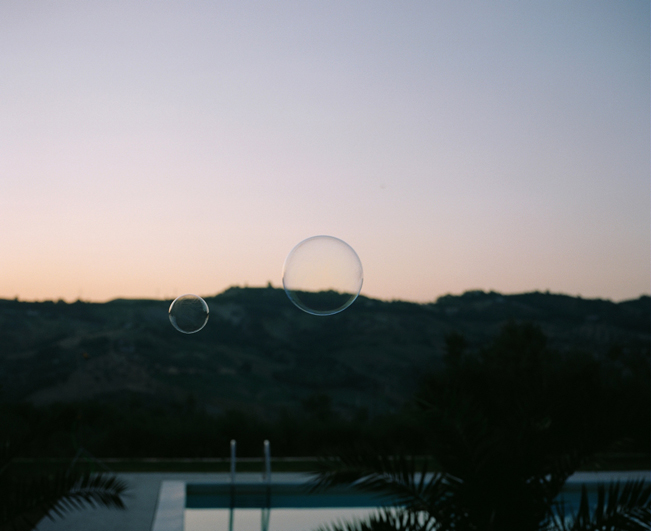
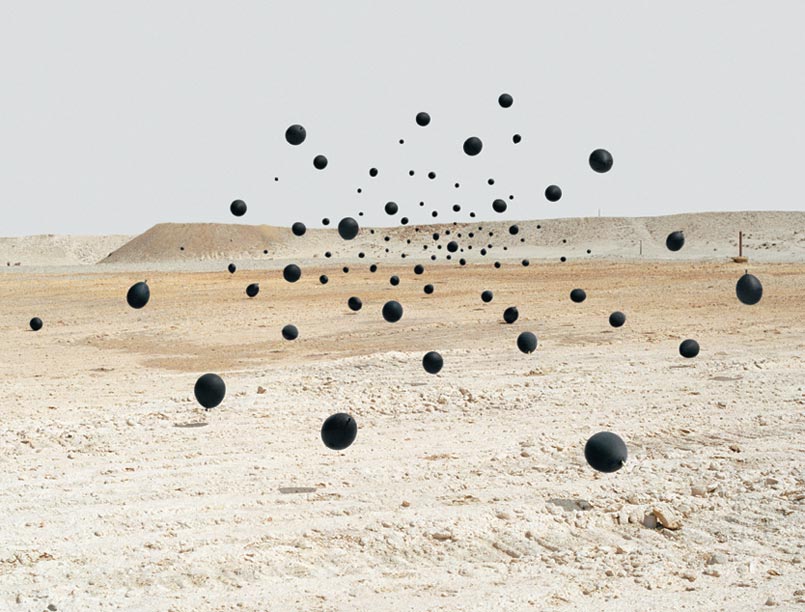
Andrea Galvani is an Italian photographer, born in Verona in 1973. Today, he lives and works in New York City. He is fascinated by science and it’s models of representation. As well as in the multiplicity of languages, signs, and in their relationship in history; in tables and graphics as synthesis of philosophical, political, and economic concepts. Andrea has a predilection for the photographic medium, but avails often to other mediums, most of all video, drawing and wall painting. His work is very minimal and surreal. Most works feature a single subject or group of like subjects: some feature people and many features animals such as horses, rabbits and other wildlife. One of the other major subjects in Galvani’s work is balloons, usually floating through space or grouped together and attached to horses in other shots.

Oggi, vi propongo uno degli artisti italiani più promettenti del momento.
Andrea Galvani è un fotografo italiano, nato a Verona nel 1973. Oggi, vive e lavora a New York. Andrea è attratto dalle scienze e dai modelli di rappresentazione, come anche dalla molteplicità dei linguaggi, dei segni e la loro relazione con la storia e dalle tabelle e dai grafici come sintesi di concetti filosofici, politici ed economici. Questo artista lavora soprattutto con la macchina fotografica, ma utilizza anche spesso video, disegni e dipinti. I suoi lavori sono minimalisti e surrealisti. Di solito le fotografie comprendono un unico soggetto o gruppi di soggetti identici: a volte persone e a volte animali come: cavalli o conigli. Degli elementi ricorrenti nel lavori di Andrea Galvani sono i palloncini, o lasciati galleggiare nello spazio o raggruppati e attaccati al soggetto fotografico.

For further information see also http://www.andreagalvani.com/


Related Posts Plugin for WordPress, Blogger...