Showing posts with label photgraphy. Show all posts

Thursday, 26 May 2011

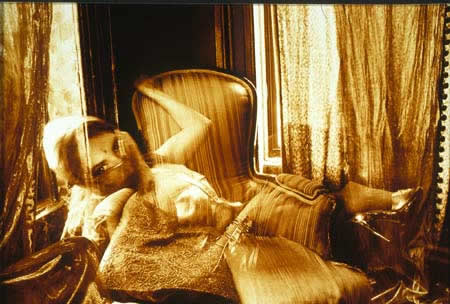
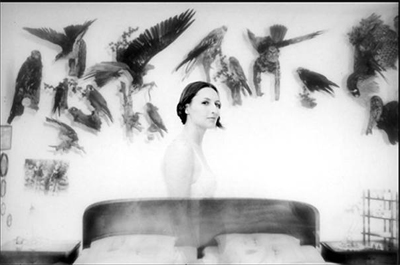
Esther Mathis - Photography beyond the thick fog


Goodmoring dear readers!
Today interview is with a young photographer from Switzerland, now based in Milan. Enjoy it!

Monday, 23 May 2011

Dean West - The Image Aesthetic Appeal


Hi Everybody, today we have an interview with Dean West, a young Australian visual artist! Hope you like it!

Saturday, 4 September 2010

Nuno Cera - A room with a view


Hi everyone! Today, I would like to talk about Nuno Cera. He is a contemporary photographer born in 1972 in Beja, Portugal. Nowadays he lives and works in Lisbon and Berlin. Nuno uses two different approches in his work: a more “photographic” one and a more “conceptual” one. He can use photographs in a daily manner, registering moments, places, and different situations that He later selects to develop a project for an exhibition. The inverse process can also happen: based on an idea, he develops a series of pictures that correspond to a concept.
I really appreciate one of his latest projects, A Room With a View. In these photographies, the window, the surface of which should be invisible, makes itself present through what it reflects. In Nuno Cera’s windows, people and spaces appear to float calmly above the city. Despite the calmness we can detect a note of existential desolation, solitude and alienation. The shots are an eloquent metaphor. Sofia Coppola used a similar device, in the film Lost in Translation, to illustrate how being alone in the city and looking out from anonymous hotel room windows can be one of the loneliest things in the world.

Ciao a tutti! In questo post vorrei parlarvi di Nuno Cera, un fotografo contemporaneo nato nel 1972 a Beja, in Portogallo. Oggi vive e lavora tra Lisbona e Berlino. Nuno, nel suo lavoro, utilizza due approcci diversi: uno più “fotografico” e uno più “concettuale”. Nel primo, usa la fotografia per immortalare momenti, posti, e situazioni, che poi seleziona per sviluppare un progetto. Nel secondo caso, parte da un’idea e poi sviluppa una serie di immagini che corrispondano al concetto.
Mi è molto piaciuto uno dei suoi ultimi lavori, A Room With a View. In queste fotografie, la finestra, la cui superficie dovrebbe essere invisibile, diventa visibile grazie a ciò che riflette. Nelle finestre di Nuno Cera, le persone e gli spazi sembrano galleggiare calmi sopra la città. A parte la calma, si può notare una nota di desolazione, solitudine e alienazione. Gli scatti sono una metafora eloquente. Nel film Lost in Translation Sofia Coppola ha usato un modo simile per descrivere la sensazione di solitudine che può suscitare essere da soli in una città e guardarla da anonime stanze d’hotel.

For further information see also http://www.nunocera.com/.
All the images posted here are Nuno Cera’s works.

Monday, 16 August 2010

Masao Yamamoto - Haiku and Japanese tradition


Masao Yamamoto is one of the most famous Japanese contemporary photographers. He was born 1957 in Gamagori City in Aichi Prefecture. Masao Yamamoto's photography remind, thanks to some aesthetic elements, to Japanese tradition. Using the camera to capture suggestive, observational imagery, Yamamoto provides the viewer with an experience quite similar to that of reading haiku (Japanese form of poem). His photographs are simple, but offer the ingredients for a deeper engagement of the work on some emotional or personal level. The power of haiku and of Yamamoto’s work is the power of suggestion, typical in traditional Japanese aesthetics. By providing the stimulus and leaving something unsaid or undefined, the viewer is given the chance to complete the idea and thus become part of the work.

Masao Yamamoto è uno dei più famosi fotografi contemporanei Giapponesi. È nato nel 1957 nella città di Gamagori nella prefettura di Aichi. La fotografia di Yamamoto richiama, grazie ad alcuni elementi estetici, la tradizione Giapponese. L’artista usa la macchina foto per catturare un immaginario suggestivo e offre allo spettatore un’esperienza simile a quella di leggere Haiku (poesie Giapponesi). I suoi lavori sono semplici, ma colpiscono lo spettatore nell’intimo. La forza dell’Haiku e delle opere di Yamamoto è la forza della suggestione, tipica nella tradizione estetica Giapponese. Fornendo l’impulso e lasciando cose non dette e non definite, allo spettatore è lasciata l’opportunità di completare l’idea e di diventare così parte del lavoro.

All the images posted here are Yamamoto’s work.
For further information see also http://www.artnet.com/artist/25192/masao-yamamoto.html.


Wednesday, 11 August 2010

Erik Johansson - Walking through Wonderland


- Can you tell us something about yourself?
My name is Erik Johansson, I am a freelance photographer from Gothenburg, Sweden. I do both personal projects and commercial work, but the photos on my web site are all personal projects.

- When did you discover your passion for photography?
I got my first digital camera when I was 15, that is about 10 years ago. I have always been drawing as a way of expressing myself, but with the digital camera I started to modify the photos. It felt like a natural step for me but it was mostly basic stuff of my friends and family. That's how it all started.

- How do you create your works?
When I have come up with an idea the planing starts. Is this a good idea? Is it possible to realize? What do I need in terms of environment and people? This is actually the hardest part since the more you plan the better the end result will become. When I have found everything I need I take the photos I need and put it together in my computer. I have learned that ideas have to grow and take time, this process from idea to final result is usually between 1 week to several months.

- What are your main sources of inspirations?
When it comes to personal projects I usually don't try to come up with ideas, they usually find me. I get inspired by things around me in my daily life and all kinds of things I see, I always try to make sketches of the ideas I get. Every new project is a new challenge and my goal is to realize them as realistic as possible.

- Ci puoi raccontare qualcosa su di te?
Mi chiamo Erik Johansson, sono un fotografo freelance di Gothenburg, Svezia. Lavoro sia su commissione che a progetti personali, ma le foto che trovi sul mio sito sono tutti progetti personali.

- Quando hai scoperto la tua passione per la fotografia?
Quando avevo 15 anni ho comprato la mia prima macchina digitale, circa 10 anni fa. Ho sempre disegnato, lo trovo un modo per esprimermi, ma con la macchina digitale ho iniziato a modificare le foto. Per me è stato un passo naturale, all’inizio erano cose semplici come i miei amici o la mia famiglia. Così è iniziato tutto.

- Come crei i tuoi lavori?
Quando mi viene un’ idea il piano ha inizio. È una buona idea? È realizzabile? Cosa mi serve in termini di persone e ambiente? Questa è la parte più difficile, perché più pianifico nel dettaglio migliore sarà il risultato finale. Quando ho trovato tutto quello di cui ho bisogno, allora metto tutto assieme nel computer. Ho imparato che le idee devono crescere con il tempo, questo processo che va dall’idea al risultato finale di solito prende da una settimana a molti mesi.

- Quali sono le tue principali fonti d’ispirazione?
Di solito sono le idee a trovarmi non io a cercarle. Trovo ispirazione in molte cose che mi circondano: la vita quotidiana e cose che vedo. Cerco sempre di fare schizzi delle idee che ho. Ogni nuovo progetto è una nuova sfida e l’obiettivo e riuscire a realizzarlo nel modo più realistico possibile.

For further information see also http://www.alltelleringet.com/.
All the images posted here are Erik Johansson’s works.


Friday, 16 July 2010

Nathalie Daoust - the sociological side of photography


- Can you tell us something about yourself?
I like to learn about subcultures and different realities. Places and people that I would not normally encounter in my everyday life. This is also why I have been traveling-living for the past 14 years. To discover new places.

- When did you discover your passion for photography?
I was about 14- 15 and started a photo course at school. The teacher gave us a project and I made a "big production" in my basement and made an imaginary world for the photos. It was an amazing feeling when I saw the picture, plus everyone loved it and I even sold me first photo back then, my teacher bought one of them . So all this positive reaction gave me the courage to not stop and do photography instead of my first choice Mathematics.

- How do you create your works?
If you talk about the technical side; everything I do is analog, I print everything in a darkroom, I normally use 35mm film.. no special Photoshop effects. But this is becoming more and more complicated since there is no more darkrooms (for my last two projects I flew to Brazil where I know there is a good darkroom at the SENAC.)..

- What are your main sources of inspirations?
I like to photograph where people escape reality so I would say that I get more inspired on a sociological point of view and by the people I meet. It’s almost more about the meeting and learning about these people that interest me then the actual picture.

- Ci puoi raccontare qualcosa su di te?
Mi piace conoscere le sottoculture e differenti realtà. Posti e persone che non avrei modo d’incontrare nella mia vita quotidiana. Questo è il motivo per cui ho viaggiato negli scorsi 14 anni. Per scoprire posti nuovi.

- Quando hai scoperto la tua passione per la fotografia?
Avevo 14-15 anni e ho iniziato un corso di fotografia a scuola. L’insegnante ci ha affidato un progetto e io ho messo in piedi una grossa produzione nel mio seminterrato, creando un mondo immaginario dove scattare le foto. È stata una sensazione fantastica quando ho visto le foto, inoltre le foto piacquero molto a tutti e la mia maestra ne comprò una . Tutte queste reazioni positive mi hanno dato il coraggio per proseguire fotografia, invece di fare matematica.

- Come crei i tuoi lavori?
Se parli della parte tecnica; tutto è fatto in analogico, di solito uso una pellicola da 35 mm, stampo le foto in una camera oscura... nessun effetto photoshop particolare. Ma sta diventando sempre più complicato dal momento che le camere oscure stanno sparendo (per i miei due ultimi progetti sono dovuta andare in Brasile dove so che c’è una buona camera oscura al SENAC).

- Quali sono le tue principali fonti d’ispirazione?
Mi piace fotografare quando le persone evadono la realtà. Quindi si può dire che sono più ispirata dall’aspetto sociologico e dalle persone che incontro. Infatti la sono più interessata a conoscere e ad imparare dalle persone che incontro che dalla fotografia in sè.

For further information see also http://www.daoustnathalie.com/.
All the images posted here are Nathalie Daoust’s works.


Monday, 5 July 2010

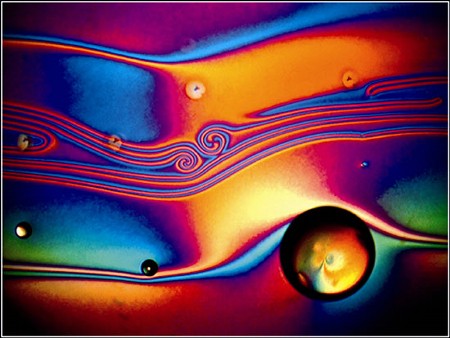
Karen Neill - When Art uses scientific tools


I live in the country in the UK and have been renovating and extending an old farm cottage - I will have my new studio in about 2 months time so I will start work again! I discovered my passion for art when I was about 5 years old. I had my children when I was very young so I wasn’t able to 'tap' into my art until I was the grand age of 45 when I went to Art College - Byam Shaw School of Art at Central St Martin's in London where I did a Fine Art Degree ( BA Hons) - I started photographing the marks sea water make on the sea shore/beach. My passion grew as I photographed, painted the sea, rivers, water, then I started experimenting with dispersing dyes in water and oil then I discovered Liquid Crystal after 3 years or so - and went on a residency as an artist in a scientist's world of the laboratory. There I filmed and photographed liquid crystal through the microscope. I have won some photographic awards and have had group and solo shows. It is a hard place to try and make a living but a passion is a gift of life so I am lucky to enjoy that.

Vivo nella campagna inglese, in questo momento sto rinnovando il mio studio e espandendo una vecchia cascina, avrò finito I lavori tra 2 mesi così potrò ricominciare a lavorare! Ho scoperto la mia passione per l’arte quando avevo circa 5 anni. Ho avuto i miei figli quando ero molto giovane così non sono riuscita a dedicarmi all’arte fino all’età di 45 anni, quando mi sono iscritta alla scuola d’arte - Byam Shaw School of Art at Central St Martin's a Londra, dove ho ottenuto la laurea in Arte -. All’inizio fotografavo i segni che le onde del mare lasciavano sulla spiaggia. Poi sono passata a fotogrfare il mare, i fiumi, l’acqua e anche a dipingerli. Infine, ho iniziato a sperimentare disperdendo tinture e olio nell’acqua. Fino a quando non ho scoperto i Cristalli Liquidi, così mi sono trasferita per un po’ in qualità di artista nel mondo scentifico dei laboratory per fotografare e filmare i Cristalli Liquidi al microscopio. Ho vinto alcuni premi fotografici e ho esposto le mie opera in alcune mostre sia collettive che unicamente mie. É difficile riuscire a vivere di questo lavoro, ma una passione è un dono della vita, così mi ritengo fortunata e lo sfrutto al massimo!

For further information see also http://www.karenneill.com/.
All the images posted here are Karen Neill’s works.


Monday, 28 June 2010

Berend Strik - Embroidering photographs


Good morning everyone! Today I want to talk about Berend Strik, this artist attracts my attention for a particular technique he use for his works. He is a visual artist, who works with different media, photos, video and cinema. From the end of the 80s he started to modify photographs with the use of fabrics, embroidering or applying them on the photo. He creates more layers on the same image and a new reality, which doesn’t exist in the original photo. Usually he starts from a black and white shot, which she livens up through the use of colorful fabric. At the beginning the images came from family album, after Berend started using self made shot of people, architecture, and countryside.

Buongiorno a tutti! Oggi vi vorrei parlare di Berend Strik, questo artista mi ha particolarmente colpito per la tecnica che usa ne suoi lavori. É un artista di arti visive, che lavora con mezzi differenti, fotografia, video, cinema. Dalla fine degli anni Ottanta ha iniziato a modificare le fotografie con l’uso di tessuti, ricamandoli o applicandoli sopra l’immagine. Così facendo crea più strati sulla stessa immagine e una nuova realtà, che prima non esisteva. All’inizio l’immagine veniva presa da un album di famiglia, dopo Berend ha iniziato a usare fotografie scattate da lui, di persone, architettura e paesaggi.

For further information see also http://www.berendstrik.nl/ .
All the images posted here are Berend Strik’s works.


Wednesday, 23 June 2010

Ruth van Beek - Collage and surrealist effect


Hi everyone! Today artisti is Ruth van Beek, born in 1977 graduated in 2002 at Gerrit Rietveld Academy in Amsterdam following a Master in Photography. Nowadays she lives and works in Koog aan de Zaan. Ruth collects random snapshots, passport photos, slides and albums and cuts pictures from newspapers and old books. By folding, cutting and combining the material she gives the images a new meaning, creating a hybrid which intertwines photography and drawing. In reconstructions she offers a whole range of images in which dancers fight, double portraits overlap, faces disappear, flowers morph into space-ships and wrecks are transformed into carcasses of extinct machines.

Ciao a tutti! L’artista di oggi è Ruth van Beek, nata nel 1977 e laureata alla Gerrit Rietveld Academy ad Amsterdam dove ha seguito un Master in fotografia. Oggi, vive e lavora a Koog aan de Zaan. Ruth raccoglie scatti, foto di passaporti, slides, album, ritaglia le immagini dai giornali e da vecchi libri. Poi le piega, le taglia e le combuna assieme, dando così all’immagine un nuovo significato, creando un ibrido tra un dipinto e una foto. Nelle sue ricostruzioni si possono così trovare due ballerina che combattono, due ritratti sovrapposti, facce che scompaiono, fiori trasformati in navicelle spaziali e relitti in carcasse di machine estinte.

For further information see also http://www.ruthvanbeek.com/ .
All the images posted here are by Ruth van Beek.


Monday, 24 May 2010

Karine Laval - Pools and summer


From the series "Poolscapes"


From the series "the Pool"


From the series "the Pool"

From the series "the Pool"

Hi everyone! Today, I feel the summer gets closer! I start dreaming of the sea, shores and sun. Being in Milan with all this gray it’s quite sad;). So, I’ve just found an artist who perfectly suited for this situation! Her name is Karine Laval and she is a French photographer, who lives and works in New York City.

- Can you tell us something about yourself? When did you discover your passion for photography?
I have been based in New York since 1997 and have shared my time between the United States and Europe, working on personal projects and editorial assignments. I've been fascinated by photography since I was a child. My grandparents used to live in a town near Paris where the first museum dedicated to photography was open in France. They took me there as a young child and I remember being fascinated by the old cameras on display and daguerreotypes and photographs exhibited, which intrigued me and were to me like a travel into time. My grandparents also happened to own a restaurant where Daguerre developed his first photographs... My grandfather offered me his old camera (a Kodak Retina, which I still have) when I was 10 or 12. I started to use it as "a spy", photographing the neighbours and our immediate surroundings without their knowing... Only when I moved to New York did I take photography seriously when I met other photographers and realized it was possible to make a living out of art or photography. I always believed in following one's dreams so I quite my job and pursued my passion for photography.

- How was the idea of the pool born?
The core of my work focuses on the notion of space, time and memory and the relationship we entertain with the environment in which we live. Ever since I was a child, I have been in love with water and I started to work on the Pool project in 2002 while on vacation in Barcelona. I went to the public swimming pool in Barcelonetta and decided to continue the project photographing public swimming pools throughout Europe. Through travelling to familiar and unknown vacation places over the course of a few years, I explored again the memories of my childhood by capturing the playful and sensual relationship one has to water and heat, and the exhilaration these moments of leisure give rise to. Beyond my personal memory it’s also a collective memory I am trying to reveal through the common and universal experience of leisure and bathing. Swimming pools are interesting to me for they represent a dominant theme of modern life in our culture. They also mix the natural element of water with the cultural and social element of manmade spaces where people can escape from everyday life and seem liberated from any social reference. Although the activities and expressions of the bathers are familiar and spontaneous, the scenes often appear composed by a silent choreographer when moments are isolated and frozen within the frame of the camera.- What are your main sources of inspirations?
I find inspiration in everyday life, simple moments, nature, people I meet and I love, music, art and painting. I sometimes feel that I use the camera more like a paint brush and like to use photography to explore our surrounding world in new and surprising ways which question our sense of perception and reality. I think my pictures have often a surreal or dreamlike feeling to them.

- What is the work that you are more attached? Why?
It's a hard question to answer as I feel each of my body of work is a part of me or of my life. And there are even a lot of images or series I haven't disclosed to the public yet, which I feel very attached to. The Pool series is definitely an important body of work as I traveled extensively for it and pursued it for several years. I happened to start a new series of swimming pools this year called "Poolscapes", shot in Los Angeles. This time I focus on private swimming pools but I am less interested in the social and mundane activities revolving around them. The pool and surface of the water becomes a metaphor or a mirror disclosing what's beyond the frame of the camera. The main subject - revealed through reflections, creates a fleeting and dreamy - almost surreal - sense of perception. It's also the first time I'm doing a personal project in the United States, which has been my home for 13 years. You can view a selection on the following blog: http://www.clickblog.it/post/8414/poolscapes-di-karine-laval

Ciao a tutti! Oggi sento che l’estate si sta avvicinando! Ho iniziato a sognare il mare, le spiagge e il sole.  Stare a Milano con tutto questo grigio è abbastanza triste;). Così, ho appena trovato un artista perfetto per una situazione come questa! Si chiama Karine Laval ed è una fotografa francese, che vive e lavora a New York.

- Puoi raccontarci qualcosa su di te? Quando hai scoperto la tua passione per la fotografia?
Mi sono stabilita a NY nel 1997 e da allora ho diviso il mio tempo tra gli Stati Uniti e l’Europa., lavorando sia su progetti personali che su commissione. Fin da bambina sono stata affascinata dalla fotografia. I miei nonni abitavano in una cittadina vicino a Parigi in cui fu aperto il primo museo di fotografia della Francia. Mi portarono quando ero bambina e mi ricordo che rimasi colpita dalle vecchie macchine fotografiche, dai dagherrotipi e dalle fotografie esposte, per me era come un viaggio nel tempo.  Mio nonno mi prestò anche la sua vecchia macchina quando avevo 10 o 12 anni, (una Kodak Retina che ho ancora). Iniziai ad usarla come se fossi una spia, fotografando i vicini di nascosto. Solo quando mi trasferii a NY iniziai a prendere la fotografia sul serio. Ho sempre creduto che bisogna seguire i propri sogni. Così chiusi con il mio lavoro per seguire la mai passione per la fotografia.

- Com’è nata l’idea ddel progetto the pool?
La parte principale del mio lavoro si focalizza sulla nozione di spazio, di tempo, di memoria e la relazione che intratteniamo con l’ambiente nel quale viviamo. Da quando ero bambina ho sempre amato l’acqua, ho iniziato a lavorare a questo progetto nel 2002 quando ero in vacanza a Barcellona. Andai alla piscine publica di Barcelonetta e da lì decisi di portare avanti il progetto fotografando piscine pubbliche in Europa. Attraverso il viaggio in posti di vacanza famigliari e sconosciuti ho riesplorato l’esperienza della mia infanzia, racchiudendo l’esperienza giocosa e sensuale che le persone hanno con l’acqua e il caldo e l’allegria che generano questi momenti. Dietro la mia memoria personale ne esiste anche una collettiva che cerco di svelare attraverso l’esperienza commune del divertimento e del bagno. Le piscine sono interessanti per me perchè rappresentano un simbolo della nostra cultura. In oltre mixano l’elemento naturale dell’acqua con  elementi culturali e sociali degli spazi creati dall’uomo dove sembra che le persone possano scappare dalla vita quotidiana. Nonostante le attività e le espressioni di bagnanti sembrano spontanee, le scene appaiono create da un fotografo quando I momenti sono isolati e congelati nello scatto della macchina.

- Quali sono le tue principali fonti d’ispirazione?
Trovo ispirazione nella vita quotidiana, nei momenti semplici, nelle persone che incontro, nella musica, nell’arte, nella pittura. Mi accorgo di usare la macchina fotografica come un pennello, per esplorare ciò che ci circonda in modo nuovo e sorprendente che mira a suscitare delle domande nello spettatore. Penso che le mie foto spesso hanno un che di surreale.

- Qual’è il lavoro a cui sei più affezionata e perchè?
È una domanda difficile a cui rispondere, perchè sento che ogni lavoro è parte di me. E ci sono ancora dei progetti a cui sono molto affezionata che non ho ancora mostrato al pubblico. La serie the Pool è sicuramente una parte molto importante del mio lavoro, perchè ho viaggiato molto per portarla a termine e per molti anni. ho iniziato una nuova serie sulle piscine chiamata “Poolscapes” fotografate a Los Angeles. Stavolta il focus è sulle piscine private, ma sono meno interessata alle attività sociali e mondane di questo ambiente. La superficie dell’acqua diventa una metafora, uno specchio per svelare cosa c’è dietro lo scatto. Il soggetto principale, svelato tramite I riflessi crea una fugace e sognante  ercezione. É anche la prima volta che faccio un progetto negli Stati Uniti che sono la mia casa da 13 anni. Qui puoi vedere una selezione delle foto, blog: http://www.clickblog.it/post/8414/poolscapes-di-karine-laval.

For further information see also http://www.karinelaval.com/

From the series "Poolscapes"

From the series "Poolscapes"

From the series "Poolscapes"
Related Posts Plugin for WordPress, Blogger...